

Ein praxisnaher, auditfester Leitfaden zu Kapitel 7.2 und 7.3 für kleine und mittlere Unternehmen.
Unser vollständiger ISO-9001-Leitfaden für KMU zeigt den gesamten Weg zur Zertifizierung. Unser Leitfaden zur Qualitätspolitik erklärt, wie die oberste Leitung die Richtung vorgibt. Unser Praxisleitfaden zu Qualitätszielen zeigt, wie daraus messbare Ziele werden. Und unser Beitrag zur Prozesslandschaft macht sichtbar, welche Prozesse das QMS im Alltag tragen. Der nächste logische Schritt ist sicherzustellen, dass die Menschen in diesen Prozessen kompetent handeln und verstehen, warum ihre Arbeit für Qualität wichtig ist.
Für viele KMU wird ISO 9001 an dieser Stelle persönlich. Prozesslandkarten und Verfahrensanweisungen lassen sich in Workshops entwickeln. Kompetenz und Bewusstsein hängen dagegen von echten Menschen, echten Fähigkeiten und echtem Verhalten im Tagesgeschäft ab. Auditoren wissen das. Sie bleiben nicht bei einer Schulungsliste oder ein paar Unterschriften stehen. Sie suchen nach Belegen dafür, dass Mitarbeitende ihre Aufgaben verstehen, sie korrekt ausführen können und die Auswirkungen ihres Handelns auf die Qualitätsleistung kennen.
Dieser Beitrag zeigt, wie Sie Kapitel 7.2 Kompetenz und Kapitel 7.3 Bewusstsein so umsetzen, dass das System für ein KMU funktioniert, ohne das Schulungsmanagement in Bürokratie ausarten zu lassen. Wir behandeln die einfachste Struktur, die Auditoren überzeugt: rollenbezogene Kompetenzanforderungen, eine nutzbare Kompetenzmatrix, Schulungsnachweise mit echter Aussagekraft und Maßnahmen zur Bewusstseinsbildung, die weitergehen als ein Poster an der Wand.
Was ISO 9001 bei Kompetenz und Bewusstsein tatsächlich verlangt
Kapitel 7.2 fordert von der Organisation, die notwendige Kompetenz der Personen zu bestimmen, die unter ihrer Kontrolle Tätigkeiten ausführen und damit die Leistung sowie Wirksamkeit des Qualitätsmanagementsystems beeinflussen. Zusätzlich müssen Sie sicherstellen, dass diese Personen auf Basis geeigneter Ausbildung, Schulung oder Erfahrung kompetent sind, bei Bedarf Maßnahmen zum Kompetenzaufbau ergreifen und dokumentierte Informationen als Nachweis aufbewahren.
Kapitel 7.3 richtet den Fokus auf Bewusstsein. Personen, die unter der Kontrolle der Organisation arbeiten, müssen die Qualitätspolitik kennen, die für sie relevanten Qualitätsziele verstehen, ihren Beitrag zur Wirksamkeit des QMS einschließlich der Vorteile einer verbesserten Leistung erkennen und die Folgen einer Nichtkonformität mit QMS-Anforderungen nachvollziehen können.
Beide Kapitel hängen eng zusammen, sind aber nicht identisch. Kompetenz beschreibt die Fähigkeit, eine Aufgabe richtig auszuführen. Bewusstsein beschreibt das Verständnis für Zusammenhänge, Ziele und Folgen. Ein Maschinenbediener kann fachlich in der Lage sein, einen Prozess zu fahren, ohne wirklich zu verstehen, warum ein bestimmter Prüfschritt entscheidend ist. Eine Mitarbeiterin im Vertrieb kann die Qualitätspolitik sehr gut kennen und trotzdem ohne Training keine saubere Vertragsprüfung durchführen. Für ein funktionierendes QMS brauchen Sie beides.
Wenn Sie den Gesamtzusammenhang von Kapitel 7 vertiefen möchten, lesen Sie unseren Überblick zu ISO 9001 Kapitel 7 Unterstützung. Dieser Beitrag ist der praxisnahe Umsetzungsleitfaden für die beiden Unterkapitel, die in KMU besonders häufig zu Auditabweichungen führen.
Für welche Rollen muss Kompetenz definiert werden?
Ein häufiger Fehler ist die Annahme, Kapitel 7.2 gelte nur für Produktion oder Qualitätswesen. Tatsächlich betrifft es jede Rolle, die die Qualitätsleistung oder die Wirksamkeit des QMS beeinflusst. Welche Rollen das im Einzelnen sind, hängt vom Geschäftsmodell ab. In typischen KMU betrifft das jedoch meist mehrere Funktionen.
- Oberste Leitung, weil sie Qualitätspolitik, Ziele, Ressourcen und Entscheidungen aus der Managementbewertung freigibt.
- Prozessverantwortliche, weil sie festlegen und steuern, wie Schlüsselprozesse funktionieren.
- Vertrieb und Auftragsprüfung, weil unklare Kundenanforderungen oft spätere Qualitätsprobleme auslösen.
- Einkauf, weil Lieferantenauswahl und Lieferantensteuerung Eingangsqualität und Lieferfähigkeit direkt beeinflussen. Dazu passt unser Beitrag zur praxisnahen Lieferantenbewertung.
- Produktion oder Dienstleistungserbringung, weil dort die eigentliche Produkt- oder Servicequalität entsteht.
- Prüf-, Test- und Freigabepersonal, weil diese Rollen qualitätsrelevante Entscheidungen treffen.
- Interne Auditoren, weil die Organisation Auditkompetenz und Unabhängigkeit nachweisen muss. Mehr dazu in unserem Beitrag zum internen Audit nach ISO 9001.
- Dokumentenlenkung oder Administration, wenn falsche Dokumentenstände dazu führen könnten, dass mit veralteten Vorgaben gearbeitet wird. Passend dazu unser Beitrag zu effizientem ISO-9001-Dokumentenmanagement.
Die praktische Regel ist einfach: Wenn Fehler in einer Rolle Kundenanforderungen, Produkt- oder Dienstleistungskonformität, gesetzliche Anforderungen oder die Wirksamkeit des QMS beeinflussen können, sollten Sie Kompetenzanforderungen für diese Rolle festlegen.
Beginnen Sie mit der Prozesslandschaft, nicht mit dem Organigramm
Der einfachste Weg zur Definition von Kompetenz führt über die Prozesslandschaft und nicht über Stellenbezeichnungen allein. Prozesse zeigen, wo Qualitätsrisiken tatsächlich liegen. Sobald Ihre Schlüsselprozesse definiert sind, beantworten Sie pro Prozess vier praktische Fragen.
- Wer führt die Tätigkeit aus?
- Wer prüft, genehmigt oder gibt das Ergebnis frei?
- Welches Wissen oder welche Fähigkeit ist nötig, um Fehler zu vermeiden?
- Welcher Nachweis würde einen Auditor überzeugen, dass die Person kompetent ist?
Dieser Ansatz liefert bessere Ergebnisse als eine generische HR-Schulungsmatrix, weil Kompetenz direkt mit der Prozessleistung verbunden wird. Gleichzeitig bleibt das System schlank. Sie brauchen kein komplexes unternehmensweites Lernmanagementsystem, wenn Ihr eigentlicher Bedarf eine klare Zuordnung von Schlüsselrollen, geforderter Kompetenz und geeigneten Nachweisen ist.

Die einfachste Kompetenzmatrix, die in einem KMU funktioniert
Eine Kompetenzmatrix ist oft der schnellste Weg, Kapitel 7.2 praktisch umzusetzen. Sie zeigt an einer Stelle, welche Anforderungen gelten, welcher Ist-Stand vorliegt, wo Lücken bestehen und welche Maßnahmen geplant sind. Die Matrix sollte so einfach bleiben, dass sie im Alltag auch tatsächlich gepflegt wird. Wenn daraus ein Spreadsheet-Monster wird, veraltet sie schnell.
Für die meisten KMU reichen fünf Spalten aus.
| Rolle oder Prozessfunktion | Erforderliche Kompetenz | Aktueller Nachweis | Lücke oder Risiko | Erforderliche Maßnahme |
|---|---|---|---|---|
| Interner Auditor |
|
|
Noch kein Nachweis für eigenständige Auditdurchführung | Im nächsten Audit als Co-Auditor einsetzen und Berichtsauswertung vornehmen |
| Einkauf |
|
|
Begrenztes Verständnis der neuen risikobasierten Lieferantenkriterien | Gezielter Workshop zum überarbeiteten Lieferantenbewertungsprozess |
| Produktion oder Leistungserbringung |
|
|
Schulung abgeschlossen, Wirksamkeit noch nicht verifiziert | Die ersten drei Aufträge nach der Schulung beobachten und Ergebnis dokumentieren |
Entscheidend ist die Spalte mit den Nachweisen. ISO 9001 verlangt nicht, Kompetenz ausschließlich über formale Zertifikate zu belegen. Erfahrung, begleitete Praxis, fehlerfreie Ausführung, Prüfergebnisse, beobachtete Leistung oder Kundenfeedback können ebenfalls gültige Nachweise sein, wenn sie zur Rolle passen.
Kompetenzanforderungen definieren, ohne es unnötig kompliziert zu machen
Formulierungen wie „muss qualifiziert sein“ oder „sollte Qualität verstehen“ helfen nicht weiter. Sie sind zu unkonkret, um sie wirksam zu steuern, und im Audit nur schwer belastbar. Definieren Sie Kompetenz deshalb so, dass sie zur Rolle passt und im Alltag beobachtbar ist.
Eine praxistaugliche Struktur umfasst:
- Ausbildung oder Grundqualifikation, sofern relevant.
- Prozesswissen, einschließlich Verfahren, Kundenanforderungen und Annahmekriterien.
- Praktische Fähigkeit, also die sichere und wiederholbare Ausführung der Aufgabe.
- Qualitätsbezogenes Wissen, zum Beispiel Eskalationswege, Umgang mit Nichtkonformitäten oder Rückverfolgbarkeitsregeln.
- Erfahrungsschwelle, sofern Erfahrung für die Rolle tatsächlich wesentlich ist.
Für die Endprüfung könnte eine Kompetenzanforderung zum Beispiel festhalten, dass die Person den Prüfplan verstehen, die relevanten Messmittel sicher anwenden, Freigabekriterien kennen, Nichtkonformitäten erkennen und bei Bedarf Lieferstopps oder Eskalationen auslösen kann. Das ist konkret genug, um zu bewerten, zu schulen und zu auditieren.
Praxistemplate für eine Kompetenzanforderung:
Rolle: Endprüfer
Erforderliche Kompetenz: Kann die Endprüfung anhand des freigegebenen Prüfplans durchführen, Messmittel korrekt verwenden, nichtkonforme Produkte erkennen, Ergebnisse vollständig dokumentieren und Abweichungen gemäß dem Prozess für Nichtkonformitäten eskalieren.
Nachweis: Beobachtete praktische Durchführung durch den Vorgesetzten, abgeschlossener Schulungsnachweis, ein geprüfter Prüfbericht ohne kritische Fehler.
Kompetenzlücken schließen: Schulung ist nur eine Möglichkeit
Wenn eine Lücke besteht, ist Schulung oft sinnvoll, aber nicht immer die einzige oder beste Maßnahme. Kapitel 7.2 verlangt, dass die Organisation geeignete Maßnahmen zum Kompetenzaufbau ergreift. Das kann formale Schulung, Mentoring, begleitetes Arbeiten, Qualifizierung durch Beobachtung, Neueinstellung, Umverteilung von Aufgaben oder vorübergehende Kontrollen umfassen, bis die Lücke geschlossen ist.
Für KMU funktioniert ein einfacher Fünf-Schritte-Ansatz besonders gut.
- Die erforderliche Kompetenz für die Rolle festlegen.
- Die aktuelle Person gegen diese Anforderung bewerten.
- Die Lücke präzise benennen.
- Die kleinste wirksame Maßnahme zur Schließung auswählen.
- Die Wirksamkeit nach der Maßnahme prüfen, nicht nur die Teilnahme dokumentieren.
Am fünften Schritt scheitern viele Systeme. Eine unterschriebene Anwesenheitsliste belegt nur, dass jemand in einem Raum saß oder an einem Call teilgenommen hat. Sie beweist nicht, dass die Person die Aufgabe anschließend korrekt ausführen kann. Genau an dieser Stelle fragen Auditoren häufig nach.
Eine wirksame Verifizierung kann durch Beobachtung durch Vorgesetzte, einen kurzen Kompetenztest, die Prüfung der ersten bearbeiteten Aufträge nach der Schulung, ein internes Audit oder verbesserte Prozesskennzahlen erfolgen. Ging es in der Maßnahme zum Beispiel um Auftragsprüfung, sollten sich weniger Erfassungsfehler oder weniger Rückfragen an den Kunden zeigen.

Was Bewusstsein nach Kapitel 7.3 in der Praxis bedeutet
Bewusstsein ist mehr als „Mitarbeitende haben die Qualitätspolitik einmal gesehen“. ISO 9001 erwartet, dass Menschen den Rahmen ihrer Arbeit verstehen. Sie sollen genug Verständnis haben, um bessere Entscheidungen zu treffen, Fehler früher zu erkennen und nachvollziehen zu können, warum Konformität wichtig ist.
Für die meisten Mitarbeitenden sollte Bewusstsein vier Punkte abdecken.
Gerade der letzte Punkt ist wichtig. Bewusstsein wird erst dann belastbar, wenn Mitarbeitende die Konsequenzen im eigenen Arbeitsumfeld erklären können. Eine Person im Lager sollte wissen, warum Rückverfolgbarkeit relevant ist. Der Vertrieb sollte verstehen, warum unklare Auftragsannahme Reklamationen und Zusatzkosten erzeugt. Prozessverantwortliche sollten erkennen, wie fehlende Nachverfolgung von Maßnahmen in der Leistungsbewertung und in der Managementbewertung sichtbar wird.
Bewusstsein kann über Onboarding, Shopfloor- oder Teamrunden, visuelle Arbeitsanweisungen, Führungsbriefings und Auditfeedback aufgebaut werden. Nicht das Medium entscheidet, sondern ob die Botschaft verstanden wird und Mitarbeitende sie mit ihrer täglichen Arbeit verbinden können.
Was Auditoren typischerweise sehen wollen
Auditoren prüfen Kompetenz und Bewusstsein meist auf drei Ebenen: Dokumente, Interviews und gelebte Praxis.
1. Dokumentenprüfung
Gefragt werden können Rollenanforderungen, Schulungsnachweise, Kompetenzmatrizen, Einarbeitungsnachweise, Qualifikationen interner Auditoren oder Belege dafür, dass Mitarbeitende zu geänderten Verfahren informiert wurden. Ein schlankes, aber geordnetes System ist völlig ausreichend. Problematisch wird es, wenn Nachweise über E-Mails, Chatverläufe und Erinnerungen einzelner Führungskräfte verstreut sind.
2. Mitarbeitendeninterviews
Typische Auditorenfragen lauten zum Beispiel:
- Welche Rolle haben Sie in diesem Prozess?
- Nach welchen Vorgaben oder Kriterien arbeiten Sie?
- Was tun Sie, wenn etwas nicht stimmt?
- Welche Qualitätsziele sind für Ihren Bereich besonders wichtig?
- Wie wurden Sie für diese Aufgabe qualifiziert?
Wenn die Antworten natürlich, konkret und mit dem dokumentierten Prozess vereinbar sind, geht das Audit meist zügig weiter. Wenn Mitarbeitende überrascht wirken, nur vage auf „das Büro“ verweisen oder grundlegende Qualitätserwartungen nicht erklären können, wird der Auditor tiefer nachfragen.
3. Praktische Wirksamkeit
Auditoren gleichen Nachweise mit der Realität ab. Wenn die Matrix besagt, dass jemand qualifiziert ist, diese Person aber die falsche Formularversion verwendet oder Freigabekriterien nicht erklären kann, verlieren die dokumentierten Informationen sofort an Glaubwürdigkeit. Für die Vorbereitung ist unser Beitrag zur Auditvorbereitung ohne interne ISO-Expertise eine sinnvolle Ergänzung.
Welche Schulungsnachweise im Audit wirklich helfen
Ein guter Schulungsnachweis beantwortet schnell fünf Fragen.
- Wer wurde qualifiziert?
- Zu welchem Thema?
- Warum war die Maßnahme notwendig?
- Wann wurde sie abgeschlossen?
- Wie wurde die Wirksamkeit überprüft?
Wenn nur die ersten vier Punkte dokumentiert sind, fehlt aus ISO-9001-Sicht der entscheidende Teil. Genau der Wirksamkeitsnachweis gibt dem Datensatz Beweiskraft. Das muss nicht aufwendig sein. Eine Freigabe durch Vorgesetzte nach beobachteter Ausführung kann völlig ausreichen, solange die Erwartung klar ist und der Nachweis wieder auffindbar bleibt.
An dieser Stelle zeigt sich auch der Zusammenhang zur Dokumentenlenkung. Wenn Verfahren geändert werden, müssen betroffene Mitarbeitende informiert und bei Bedarf erneut qualifiziert werden. Werden Dokumentenstände informell verteilt und niemand kann nachvollziehen, wer auf welche Version geschult wurde, verlieren Kompetenz und Bewusstsein sofort an Stabilität.
Typische Fehler von KMU bei Kapitel 7.2 und 7.3
- Teilnahme mit Kompetenz verwechseln. Anwesenheitslisten allein zeigen nicht, dass jemand eine Aufgabe sicher beherrscht.
- Mit generischen Rollenprofilen arbeiten. Aussagen wie „gute Kommunikationsfähigkeit“ sind zu vage, um wirksam bewertet zu werden.
- Temporäres oder externes Personal ausblenden. Wenn Tätigkeiten unter Ihrer Kontrolle die Qualität beeinflussen, gilt die Kompetenzfrage trotzdem.
- Bewusstsein als Poster-Kampagne behandeln. Eine unterschriebene Politik am Schwarzen Brett reicht als Nachweis nicht aus.
- Bei Prozessänderungen nicht neu bewerten. Neue Software, neue Anlagen oder geänderte Verfahren schaffen häufig neue Kompetenzanforderungen.
- Schulungen nicht mit Prozessleistung verknüpfen. Wenn Prioritäten nicht aus Prozessrisiken abgeleitet werden, fließt Aufwand oft an die falschen Stellen.
Ein schlankes Umsetzungsmodell für KMU
Wenn Sie eine minimalistische, aber auditfeste Struktur aufbauen möchten, reicht in vielen KMU dieses Modell:
- Eine Prozesslandschaft, die die relevanten Rollen pro Prozess sichtbar macht.
- Eine Kompetenzmatrix für qualitätsrelevante Rollen.
- Einfache, rollenbezogene Kompetenzanforderungen.
- Maßnahmen zum Schließen von Lücken einschließlich Wirksamkeitsprüfung.
- Bewusstseinsbildung im Onboarding, in Besprechungen und in der Führungskommunikation.
- Auffindbare Nachweise als gelenkte dokumentierte Information.
Für die meisten KMU genügt das. Später lässt sich das System erweitern, wenn das Unternehmen wächst oder die regulatorischen Anforderungen zunehmen. Für eine erste ISO-9001-Zertifizierung ist die einfachere Struktur oft robuster, weil sie eher aktuell bleibt und tatsächlich genutzt wird.
Wie Kompetenz und Bewusstsein mit dem restlichen QMS zusammenhängen
Kompetenz und Bewusstsein sind keine isolierten HR-Themen. Sie hängen mit dem gesamten Managementsystem zusammen.
- Qualitätspolitik: Bewusstsein beginnt damit, dass Mitarbeitende die von der Leitung gesetzte Richtung verstehen. Dazu unser Leitfaden zur Qualitätspolitik.
- Qualitätsziele: Mitarbeitende müssen wissen, welche Ziele für ihren Prozess relevant sind und wie ihre Arbeit diese beeinflusst. Siehe unser Praxisleitfaden zu Qualitätszielen.
- Interne Audits: Audits zeigen, ob Kompetenz und Bewusstsein im Alltag tatsächlich funktionieren. Dazu passt unser Beitrag zum internen Audit.
- Managementbewertung: Wiederkehrende Kompetenzlücken, Schulungsbedarfe und prozessbezogene menschliche Einflussfaktoren gehören in die Eingaben und Entscheidungen der Managementbewertung.
- Kapitel 7 insgesamt: Ressourcen, Infrastruktur, Kommunikation, dokumentierte Information und Kompetenz greifen ineinander. Den Gesamtüberblick finden Sie in unserem Beitrag zu Kapitel 7 Unterstützung.
Wenn diese Verbindungen klar sind, wird das QMS deutlich leichter steuerbar. Schulungsprioritäten werden risikoorientierter. Bewusstseinsbildung wird prozessspezifisch. Und aus Auditfeststellungen entstehen gezielte Maßnahmen statt pauschaler Erinnerungen.
Wie wir Unternehmen bei Kompetenz und Bewusstsein unterstützen
Wir unterstützen Unternehmen dabei, Kapitel 7.2 und 7.3 in ein funktionierendes System zu übersetzen, das zum Geschäft passt und nicht in generischer Schulungsbürokratie endet. In der Praxis bedeutet das meist: Kompetenzanforderungen pro Schlüsselprozess definieren, eine schlanke Kompetenzmatrix aufbauen, die risikoreichsten Lücken priorisieren und einfache Nachweise etablieren, die auch im Zertifizierungsaudit standhalten. Gleichzeitig helfen wir Führungskräften dabei, Qualitätspolitik und Qualitätsziele so in den Arbeitsalltag zu übertragen, dass Mitarbeitende sie wirklich verstehen. Wenn Sie dafür Unterstützung suchen, finden Sie hier mehr zu unserer ISO-9001-Beratung.

Häufig gestellte Fragen
Brauchen wir für jeden Mitarbeitenden formale Schulungsnachweise?
Nein. Sie brauchen belastbare Nachweise für Personen, deren Tätigkeiten die Qualitätsleistung oder die Wirksamkeit des QMS beeinflussen. Für manche Rollen sind formale Schulungsnachweise sinnvoll, für andere genügen beobachtete Arbeitsausführung, Erfahrung, Einarbeitungsbestätigungen oder geprüfte Arbeitsergebnisse, sofern sie die Kompetenz klar belegen.
Ist eine Kompetenzmatrix nach ISO 9001 vorgeschrieben?
Nein. ISO 9001 schreibt keine Kompetenzmatrix ausdrücklich vor. Sie ist jedoch eines der praktischsten Werkzeuge, um Kompetenzanforderungen, Ist-Stand, Lücken und Maßnahmen übersichtlich nachzuweisen.
Wie können wir Bewusstsein im Audit nachweisen?
Am stärksten ist die Kombination aus nachvollziehbaren Nachweisen und glaubwürdigen Mitarbeitendeninterviews. Mitarbeitende sollten die Qualitätspolitik in einfachen Worten erklären, die relevanten Qualitätserwartungen benennen, ihren Beitrag dazu beschreiben und sagen können, was sie im Fehlerfall tun.
Gilt Kapitel 7.2 auch für Zeitarbeit oder externe Dienstleister?
Ja, sofern diese Personen Tätigkeiten unter Ihrer Kontrolle ausführen, die Produkt- oder Dienstleistungskonformität oder die Wirksamkeit des QMS beeinflussen. Die Form des Nachweises kann unterschiedlich sein, aber die notwendige Kompetenz muss dennoch sichergestellt und gesteuert werden.
Wie oft sollte Kompetenz überprüft werden?
Spätestens bei Rollenwechseln, Prozessänderungen, neuer Software oder neuen Anlagen, geänderten Verfahren, wiederkehrenden Fehlerbildern oder Auditfeststellungen, die auf Lücken hindeuten. Viele KMU ergänzen das durch eine jährliche Überprüfung im Rahmen ihrer allgemeinen QMS-Planung.
Worin liegt der Unterschied zwischen Kompetenz und Bewusstsein?
Kompetenz ist die nachgewiesene Fähigkeit, eine Aufgabe korrekt auszuführen. Bewusstsein ist das Verständnis für Politik, Ziele, den eigenen Beitrag zur Qualität und die Folgen von Nichtkonformität. Ein belastbares QMS braucht beides.
Über den Autor
Jonathan Sternberg ist zertifizierter interner Auditor und externer Qualitätsmanagementbeauftragter mit Erfahrung in der Automobilindustrie, Halbleiterindustrie, Laseroptik und Medizintechnik. Mit Sternberg Consulting unterstützt er Unternehmen bei der praxisnahen Umsetzung von ISO 9001, ISO 14001, ISO 45001 und ISO 13485.
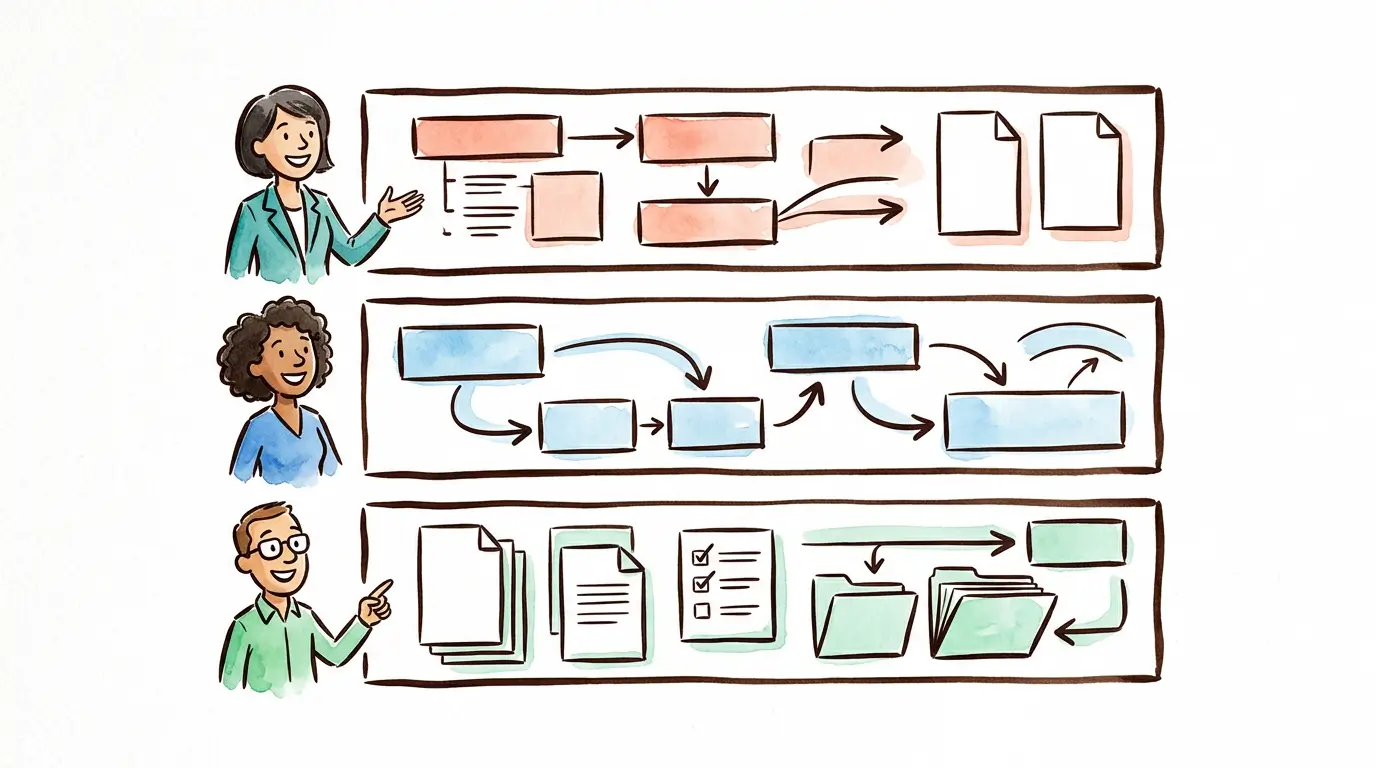
Titelbild: KI-generierte photorealistische Bearbeitung des urspruenglichen Motivs, erstellt mit Google Gemini. Fuer uns gehoeren Effizienz und Qualitaetsverbesserung zusammen.
Verwandte Beiträge
- ISO 9001 Implementierung für KMU: Der vollständige Leitfaden für die DACH-Region
- ISO 9001 Prozesslandschaft: Kernprozesse identifizieren und dokumentieren
- Qualitätspolitik nach ISO 9001: Praxisleitfaden
- ISO 9001 Qualitätsziele: Praxisleitfaden
- Internes Audit nach ISO 9001: Definition, Ziele und Umsetzung
- Effiziente ISO-9001-Dokumentenmanagementlösungen
- ISO 9001 Kapitel 7 Unterstützung

