

ISO consulting vs certification is a distinction many organizations misunderstand when preparing for ISO certification. While ISO consulting focuses on building and preparing a compliant management system, certification bodies independently audit and certify that system. Understanding this difference early helps avoid failed audits, delays, and unnecessary costs.
Why This Distinction Matters More Than Most Companies Realize
One of the most common reasons ISO projects fail is role confusion.
Many organizations assume that once they hire a certification body, guidance will follow. In reality, certification bodies are legally required to remain independent. They cannot advise, correct, or coach.
ISO consulting fills this gap — and skipping it often leads to:
-
Major nonconformities
-
Repeated audits
-
Extended timelines
-
Frustrated management teams
This is especially true for small and mid-sized companies in Germany that do not maintain a full-time internal quality manager.
What Is ISO Consulting?
ISO consulting focuses on building and stabilizing your management system before certification.
An ISO consultant works with your organization to interpret standard requirements, align them with your operations, and ensure evidence exists for every applicable clause.
Unlike certification bodies, consultants are allowed to:
-
Explain requirements in practical terms
-
Design documentation structures
-
Train internal teams
-
Identify risks before audits
-
Perform internal audits
The consultant’s responsibility ends before certification decisions are made.
Typical ISO Consulting Services
ISO consulting usually includes:
-
Initial gap analysis
-
Scope definition
-
Process mapping
-
Documentation development
-
Risk-based thinking integration
-
Internal audit execution
-
Management review preparation
For many companies, structured support during ISO audit preparation is what turns certification from a risk into a controlled project.
What Is a Certification Body?
A certification body is an accredited third-party organization authorized to issue ISO certificates.
Its role is strictly evaluative and evidence-based.
Certification bodies:
-
Conduct Stage 1 (readiness) audits
-
Conduct Stage 2 (certification) audits
-
Issue certificates
-
Perform annual surveillance audits
-
Enforce impartiality
They cannot:
-
Help fix gaps
-
Suggest solutions
-
Draft documents
-
Train staff
If they did, your certificate would lose credibility.
ISO Consulting vs Certification Body: Clear Comparison
| Aspect | ISO Consulting | Certification Body |
|---|---|---|
| Purpose | Preparation & implementation | Independent verification |
| Timing | Before certification | During & after certification |
| Role | Advisory & operational | Neutral & evaluative |
| Documentation | Created & optimized | Reviewed only |
| Training | Allowed | Prohibited |
| Certification | No | Yes |
The confusion between ISO consulting vs certification often leads companies to expect guidance from certification bodies, which they are not allowed to provide.
How the ISO Certification Process Actually Works
Understanding the correct sequence avoids costly mistakes.
1. Preparation Phase
Your organization designs and implements the management system.
This is where ISO consulting delivers the most value.
Processes are aligned with standard requirements, risks are documented, and responsibilities are clarified.
2. Internal Audit & Readiness Check
Before certification, internal audits must confirm system effectiveness.
Independent internal audits and external QMR services often uncover issues that would otherwise result in nonconformities during certification.
3. Certification Audit
Only now does the certification body step in.
-
Stage 1: documentation and readiness
-
Stage 2: full system audit
At this point, advice is no longer allowed.
4. Surveillance & Maintenance
After certification, annual audits confirm continued compliance.
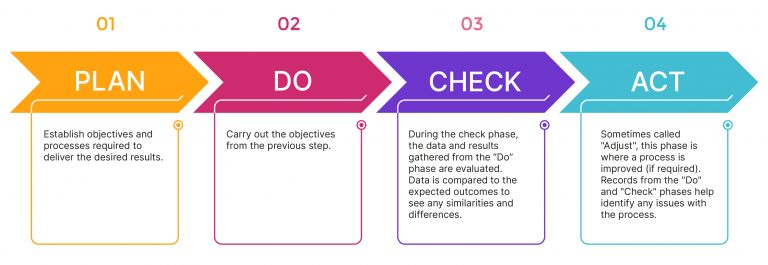
Organizations without in-house audit expertise often rely on independent internal audits and external QMR services to identify gaps before engaging a certification body.
Why Many ISO Audits Fail Without Consulting
Misinterpreting Requirements
ISO standards are intentionally non-prescriptive. Without guidance, companies often over-document or miss critical clauses.
Weak Internal Audits
Internal audits conducted by untrained staff rarely simulate real certification audits.
Missing Evidence
Processes may exist, but proof does not.
Late Risk Identification
Risks discovered during certification audits are too late to fix without delay.
These failures are preventable with structured preparation.
Understanding ISO 9001 certification costs in Germany early helps organizations avoid underestimating preparation effort and re-audit expenses.
When ISO Consulting Is Essential
ISO consulting is strongly recommended if:
-
You lack an internal quality or compliance expert
-
This is your first ISO certification
-
You operate in regulated industries
-
Your audit timeline is fixed
-
You’ve failed a previous audit
This applies across standards — including quality, medical devices, environmental management, occupational safety, and AI governance systems.
For many SMEs, a structured ISO 9001 implementation roadmap for the DACH region provides clarity on responsibilities, timelines, and audit readiness before certification begins.
Cost Perspective: Consulting vs Certification
Certification bodies charge for audits only.
Consulting covers preparation work.
Organizations that avoid consulting often face:
-
Re-audit fees
-
Extended timelines
-
Additional internal workload
-
Higher long-term costs
Understanding ISO 9001 certification cost structures early helps decision-makers budget realistically and avoid surprises.
Consultant Independence and Ethics
A key rule:
The consultant helping you prepare must not be the certification body auditing you.
This separation ensures:
-
Audit integrity
-
Certificate credibility
-
Compliance with accreditation rules
Professional ISO consultants work independently and transparently — never influencing certification outcomes.
Who Does What — Simplified
-
ISO Consultant → Builds the system
-
Your Organization → Owns and operates the system
-
Certification Body → Verifies the system
Skipping any role weakens the entire process.
Companies operating in regulated environments often require tailored support beyond quality management, including ISO 13485 consulting for medical device manufacturers and other sector-specific systems.
Practical Takeaway
Choosing the right sequence in the ISO consulting vs certification process significantly reduces audit risk and total certification effort.
Consulting ensures readiness, clarity, and control.
Certification confirms compliance nothing more.
Organizations that respect this structure achieve:
-
Faster certification
-
Fewer nonconformities
-
Lower total cost
-
Sustainable compliance

